
"Brazil coffee classification"
800 article(s) found

Coffee bean grade classification introduction of Brazilian coffee raw bean defect classification system
Professional coffee knowledge exchange more coffee bean information please follow the coffee workshop (Wechat official account cafe_style) front street-Brazilian coffee grading system introduction to Brazilian raw bean classification first coffee beans with parchment are shelled and removed by parchment machine. Workers then use vibration screening to grade coffee according to the density of raw beans. You know, density is an important measure of coffee quality.

Analysis of graded Flavor Classification system of Brazilian Coffee Bean
Brazilian coffee is getting worse. Quantity exceeds quality, you may hear people say. But there are a lot more beans than most people think. So, as a Brazilian coffee lover and third-generation coffee producer, I will share with you five things you should know about coffee in this country. Some of them may surprise you that Brazilian coffee is better than you think.

Taste characteristics of Brazilian yellow bourbon coffee-coffee classification and taste characteristics
Brazil Yellow bourbon Coffee Taste characteristics-Coffee Classification and Taste characteristics bourbon species, native to Bourbon Island in the Indian Ocean (now known as Reunion Island), is the second species caused by Typica mutation, belongs to the oldest existing coffee variety, the green fruit will show bright red when ripe, while the yellow bourbon species is a hybrid between bourbon species and other varieties. Because its output is lower, and more than

Coffee beans Basic knowledge Coffee classification
If there are two cafe owners in the discussion, A shop owner said: we use coffee beans in Brazil Santos NO.2, your shop? B shopkeeper said: We shop with the Blue Mountain NO.1 with the same level of Brazil NO.1. Brazil uses a point-deduction method to evaluate the quality of the beans. The beans are graded according to the number of defective beans in every 300 grams of main beans. The grades are divided into seven levels from NO.2 to NO.8. If the points are less than 4,

The output and export of Brazilian coffee beans introduce the classification of coffee taste
Generally speaking, coffee fruit appears red when it is ripe. But the yellow bourbon coffee is yellow. The phrase yellow (yellow: yellow) comes from this. Compared with other coffee trees, the production of yellow bourbon coffee tree is relatively low and its cultivation is very difficult. When the yellow bourbon coffee beans are fully ripe, they will appear bright yellow. The processed roasted coffee beans are dry and sweet, and emit a kind of

The output and export of Brazilian coffee beans introduce the classification of coffee taste
Generally speaking, coffee fruit appears red when it is ripe. But the yellow bourbon coffee is yellow. The phrase yellow (yellow: yellow) comes from this. Compared with other coffee trees, the production of yellow bourbon coffee tree is relatively low and its cultivation is very difficult. When the yellow bourbon coffee beans are fully ripe, they will appear bright yellow. The processed roasted coffee beans are dry and sweet, and emit a kind of

High-quality Indonesian coffee raw bean classification standard brand altitude planting environment origin
Boutique coffee beans 1. Generally speaking, coffee is not classified according to altitude in countries near the equator because coffee is grown at a higher altitude. In addition, if it is picked by hand and processed by washing, it will not be graded by bad points because there are few immature beans and sundries mixed in. Therefore, the size of the sieve number is generally used as the grading standard. Such as: Colombia, Tanzania

What is the unique classification of Brazilian coffee beans? the processing of Brazilian coffee beans
Brazilian coffee, which accounts for more than 40% of the global coffee production, is the largest coffee producing country in Central and South America, and is also the largest coffee producing country in the world. Its geographical environment is lower than that of other coffee producing areas in Central and South America, and the terrain is relatively flat. The elevation of coffee producing areas is about 1000 to 1400 meters. In addition, most coffee growing in Brazil is mainly in the form of exposure, so

Coffee knowledge| What is the Brazilian coffee classification system?
Professional coffee knowledge exchange More coffee bean information Please pay attention to coffee workshop (Weixin Official Accounts cafe_style) When it comes to Brazil, most people can think of football kingdom. Brazil is the largest country in South America and the fifth largest country in the world. Brazilian coffee is also very important in the world. Brazil's grading system is aimed at defect proportion, large

Classification and classification of coffee beans | meaning of the name of coffee
For more information on coffee beans, please follow the coffee workshop (Wechat official account cafe_style)-- how coffee is named-- G1, G2, G3, G4, AA, PB, SHB, SHG, EP, PLANTATION. Have you ever wondered what the difference is? Are you curious about what they are referring to? Today we are going to start talking about what we usually buy

Taste characteristics of Brazilian yellow bourbon coffee beans taste classification flavor description introduction of varieties in manor producing areas
Taste characteristics of Brazilian yellow bourbon coffee beans taste classification flavor description the present situation of variety introduction coffee in the manor producing area has been naturally favoured and has been cultivated in new places inland. Panama became famous as a new coffee producing place in Brazil after the war, and because its natural conditions are not superior, it is still inferior in quality compared with that produced in Sao Paulo. Now in the northern part of Sao Paulo
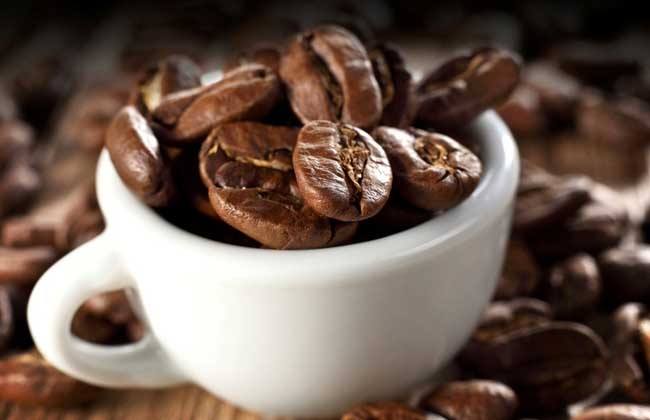
Brazilian coffee bean producing area, Brazilian coffee bean grade
Following Cafe Review (official Wechat account vdailycom) found that Brazilian Coffee, which opened a small shop in Fairview Cafe, had a low sour taste, matched with the sweet and bitter taste of coffee, and had a slight grassy aroma, with a slightly bitter taste in the fragrance, smooth taste and pleasant aftertaste. There are no outstanding advantages for Brazilian coffee.

Classification of Brazilian coffee beans | Brazilian Santos Stictly Soft extreme temperature and No.2 coffee naming
Professional coffee knowledge exchange more coffee bean information please follow the coffee workshop (Wechat official account cafe_style) Brazilian coffee bean grading | Brazil Santos Stictly Soft extreme temperature and No.2 coffee naming? Brazil is one of the largest coffee producers in the world. It is the largest coffee producer, accounting for 1/3 of the global consumption of all grades and types of coffee.
Classification of coffee quality in Colombia
The world's second largest coffee producer after Brazil. Is the leader in the country that produces Colombian mild. The name of origin has become a well-known name for coffee, such as Medning, Manizarez, Bogota, Almenia and so on. Coffee beans are light green and large-grained, according to their unique thick flavor, whether they are pure coffee or mixed.

What is the classification of coffee beans? the recommended proportion of coffee beans
Professional coffee knowledge exchange more coffee beans information please follow the coffee workshop (Wechat official account cafe_style) beginners to mix which beans should you choose? The following is a description of the three most representative matching ratios. Of course, slowly you can choose the kind of match you like according to your own taste. Sour espresso blending 30% in Colombia and 60% in Brazil
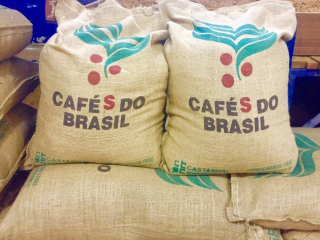
Brazilian coffee producing areas introduce the flavor and taste characteristics of red bourbon coffee beans, brewing parameters of Brazilian coffee.
Professional coffee knowledge exchange more coffee bean information please follow the coffee workshop (Wechat official account cafe_style) [production area introduction] as the largest coffee producing region in the world, Syrador is definitely a famous high-quality coffee producing area in Brazil. Produced in the prairie of 850-1200 meters above sea level, throughout the year

How to classify coffee beans A brief introduction to the classification standard of Ethiopian defective beans
Professional coffee knowledge exchange more coffee bean information please follow the coffee workshop (Wechat official account cafe_style) front street-defective bean classification system this is the earliest classification method, the main representative countries that use the defective bean proportion method are Ethiopia, Indonesia and so on. Indonesian beans are mainly divided into six grades, namely G1~G6. Ethiopian coffee beans are graded with 300g coffee beans.
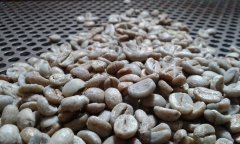
COB: a complex evolutionary history of the official grading system for raw coffee beans in Brazil
For more information on coffee beans, please follow the Coffee Workshop (Wechat official account cafe_style) cob: the complex history of the official classification system in Brazil the origin of cob sensory analysis has provided an important mechanism for pricing goods around the world since the beginning of trade. Color, smell and taste are one of many attributes used to grade a wide range of food and agricultural products.

There is no No.1 in Brazil for coffee you don't know.
Now in the global coffee trade, it is still popular to use the classification standard of origin, there are generally two kinds of classification, according to the number of items, the other is according to the ratio of defective beans. For example, Brazil's Santos # 18no.2, which stands for 18-mesh coffee beans, no.2 is the highest level, because Brazilians believe that there are no perfect coffee beans, so the highest is no.1. He he. This little tooth

Brazilian coffee beans origin and classification Brazilian Minas coffee beans are not good
Professional coffee knowledge exchange More coffee bean information Please pay attention to coffee workshop (Weixin Official Accounts cafe_style) At present, Brazil has 2 million hectares of land used to grow coffee, the largest of which is more than 70% Arabica. These beans will finally be sent to large roasters in various countries, which is known as Santos (named after the export port santos port, not the production area). After 2000, because